It would be convenient to say that a virtual try-on ends returns. It doesn't, and anyone claiming exact numbers for how much it reduces them should show their data. What a try-on can do is remove one whole category of disappointment. The other category needs a different tool, and it is a simple one: a tape measure and a garment you already own.
Two different reasons things go back
When a piece goes back, the reason usually lands in one of two piles.
- "It doesn't look right on me." The color drains you, the cut isn't you, the length looks odd, it seemed different on the model. This is about style, color and proportion.
- "It doesn't fit." Too tight across the shoulders, too long in the leg, gaping at the waist. This is about size and the brand's pattern.
An AI photo try-on is built for the first pile. It shows the garment on your body, next to your face, in your light. The second pile it can't see, because the model draws a plausible fit, not the fit of the size you would order.
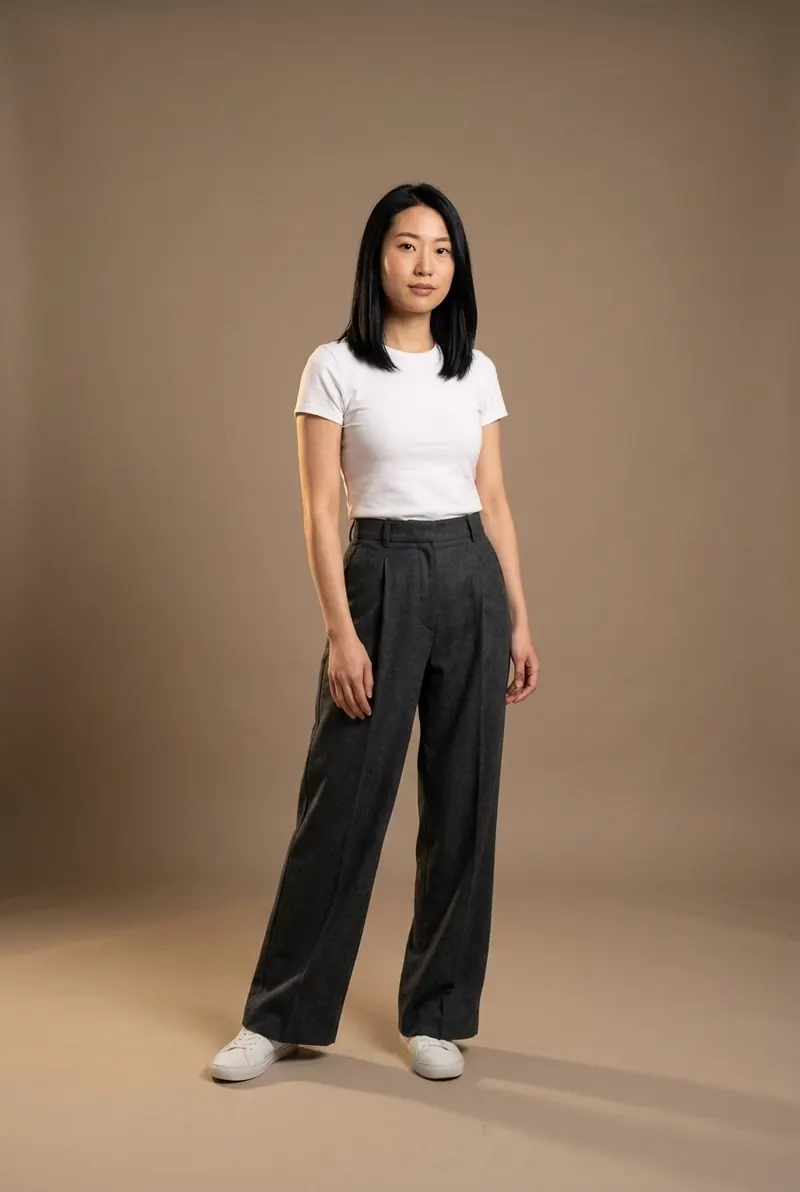 Room 1
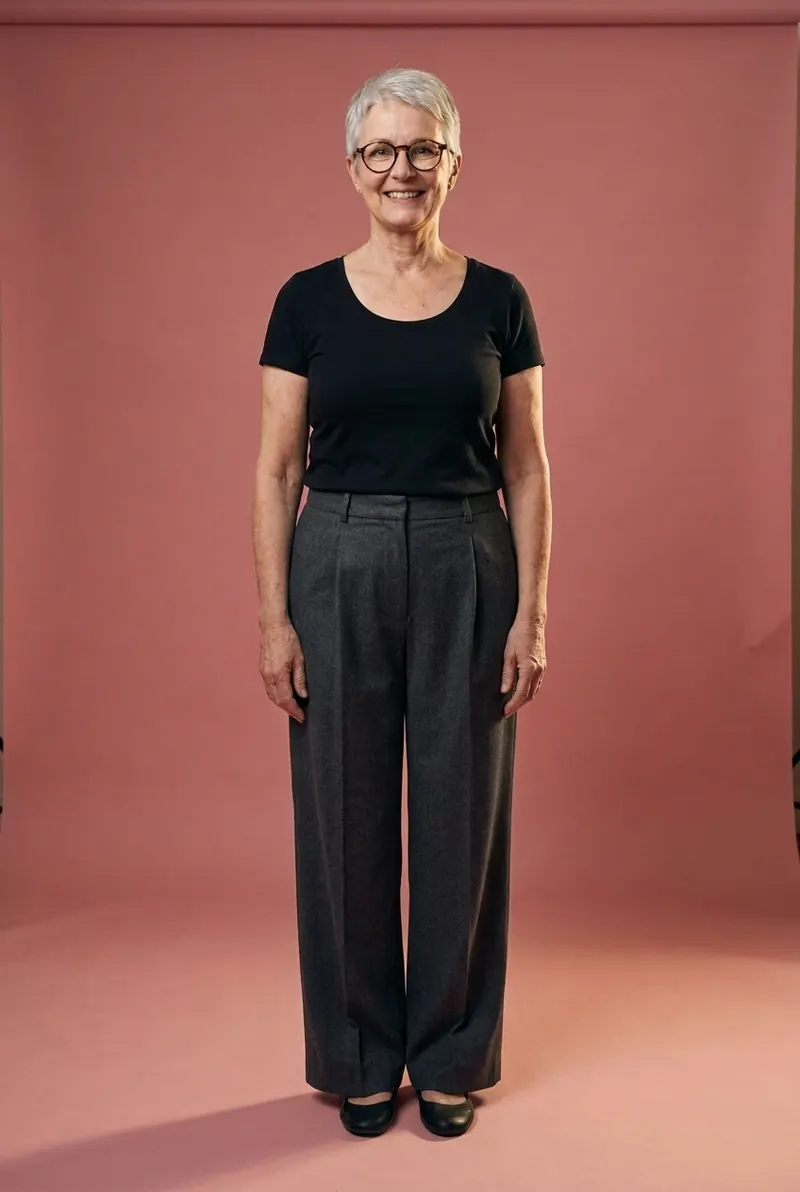 Room 3
What the try-on takes care of
- Color regret. Seeing rust or mustard next to your own skin before buying.
- Style regret. Finding out a cut you liked on the model doesn't feel like you.
- Proportion surprises. A coat longer than expected, a cropped top shorter than imagined. Treat lengths as approximate, but the overall impression is useful.
- Outfit mismatches. Checking a new top against the trousers you planned to wear it with.
Checking size: measure what you already own
Body measurements are useful, but garment measurements are better, because they already include the ease (the extra room) you like. The most reliable way to buy the right size online is to compare the product's garment measurements with a similar piece that fits you well.
- Pick a reference garment of the same type: a shirt for a shirt, jeans for jeans, ideally in a similar fabric.
- Lay it flat on a table, buttoned or zipped, smoothed out but not stretched.
- Measure flat across at the key points: chest from armpit to armpit for tops, waist edge to edge for trousers. Measure length from the highest point of the shoulder to the hem, or the inseam from crotch seam to hem.
- Find the product's measurements. Look for "garment measurements" or "product measurements", not the general size chart. Check whether they are given flat across or all the way around.
- Compare them in the flat measurement comparison.
A flat width is half the circumference, so a 2 cm difference measured flat is about 4 cm around the body. Small differences matter more in fitted, non-stretch pieces than in knitwear or anything with elastane.
Things that change the numbers
- Stretch. Even 2 to 3 percent elastane can make a garment feel noticeably more forgiving than the same measurements in rigid cotton.
- Brand and fit name. "Slim", "regular" and "relaxed" mean different things from one brand to the next, and sizes vary between brands too. Compare measurements, not size labels.
- Shrinkage. Untreated cotton and linen can shrink in the first wash. Some brands say "pre-shrunk"; if not, a little extra length is a safer bet.
- The model's details. Many product pages list the model's height and the size they wear. Useful as a rough reference for length, especially for trousers and dresses.
Read the return policy before you buy
Even with a careful try-on and a measured size, some things won't work out. Before paying, check:
- How long the return window is, and whether it starts at purchase or delivery.
- Who pays for return shipping, and whether there is a restocking or handling fee.
- Whether sale or final-sale items can be returned at all.
- The condition required: tags attached, unwashed, original packaging.
Some shoppers order two sizes and send one back. If you do, check the policy first, and remember that every return still has to travel somewhere.
Putting it together
A sensible order is: try it on virtually to decide whether you want it, measure a garment you own to decide which size, read the fabric to know how forgiving it will be, and read the return policy to know what a mistake would cost. The try-on step takes a minute, and it is the only one that shows you the garment on your own body. For how to set that step up well, see using a virtual fitting room for online shopping and the photo tips. For why a photo try-on can't measure fit, see how virtual fitting rooms work.